
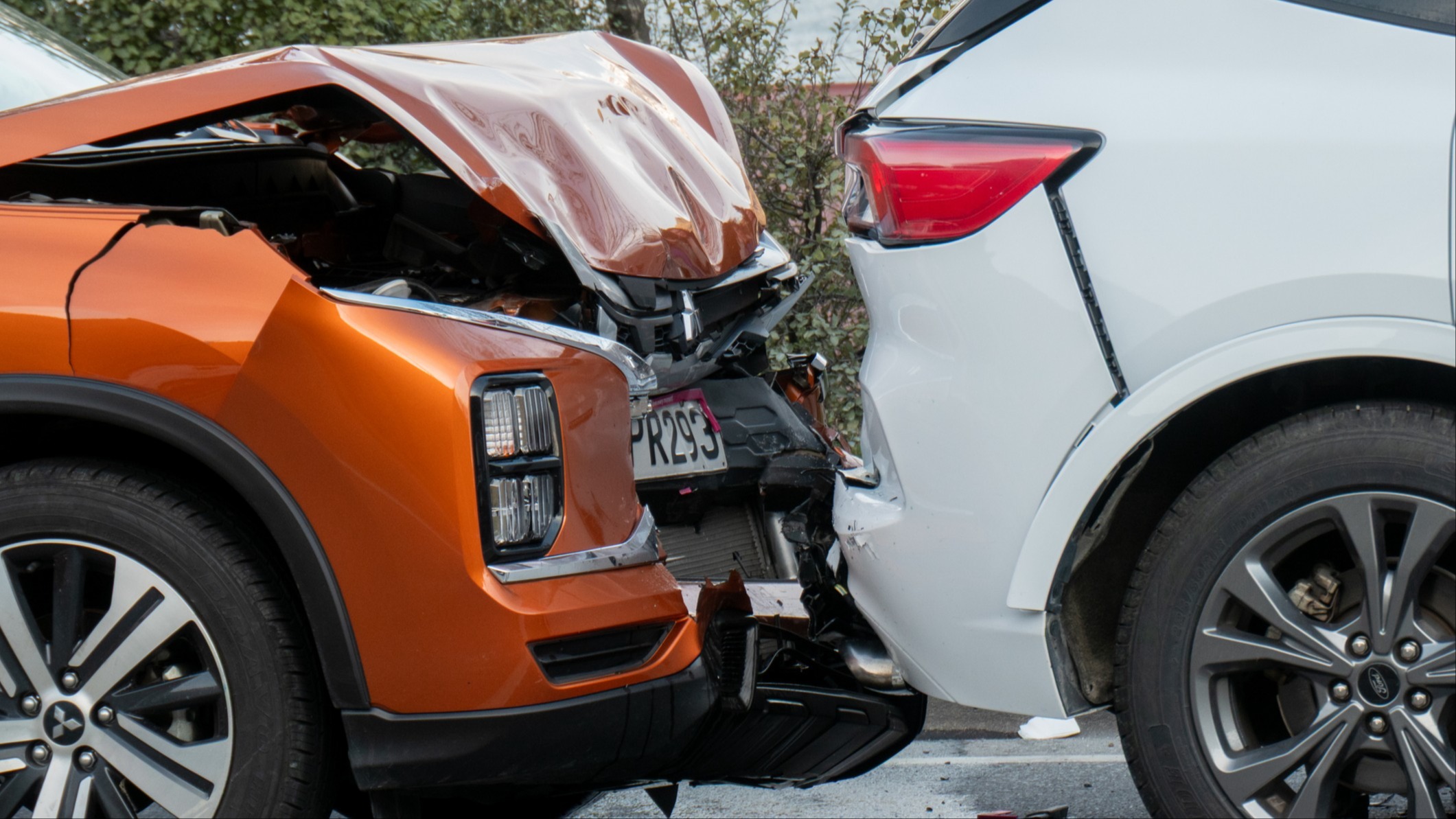
No one expects to be involved in an accident, but it can be even more frustrating to learn that the other driver has no insurance or not enough insurance to fully cover your injuries and damages. Understanding what to do after an accident and how your coverage may respond can help you navigate the situation with confidence.
What Is Uninsured and Underinsured Motorist Coverage?
Uninsured Motorist (UM) coverage may help protect you if you're injured by a driver who has no auto insurance.
Underinsured Motorist (UIM) coverage may help when the at-fault driver's insurance limits aren't high enough to cover your injuries and related expenses.
Depending on your policy and state, these coverages may help pay for covered medical expenses, lost wages, and other accident-related costs.
It's important to note that coverage requirements and availability vary by state. Not all states require drivers to carry UM/UIM coverage, and coverage options can differ from one policy to another.
What Should I Do After the Accident?
1. Make Safety Your First Priority
Check yourself and your passengers for injuries. If anyone is hurt, call 911 immediately and seek medical attention. If it's safe to do so, move vehicles out of traffic and to a secure location.
2. Call the Police
Always report the accident to law enforcement. A police report provides important documentation and can help establish the facts of the accident. This report may be a critical part of your UM/UIM claim.
3. Gather Information
Collect as much information as possible from everyone involved, including:
- Names and contact information
- Driver's license numbers
- Vehicle information
- License plate numbers
- Insurance information, if available
- Contact information for any witnesses
4. Document the Scene
Use your phone to take photos and videos of:
- Vehicle damage
- The accident scene
- Road and weather conditions
- Traffic signs or signals
- Visible injuries
- License plates
Thorough documentation can help support your claim and reduce delays during the investigation.
5. Avoid Admitting Fault
Even if you're unsure what happened, avoid making statements that could be interpreted as accepting responsibility. Provide factual information to the police and your insurance company and allow the investigation to determine fault.
6. Contact Your Insurance Company Promptly
Notify your insurance company or insurance professional as soon as possible. Let them know the other driver may be uninsured or underinsured and provide any documentation you've gathered.
You may be asked to provide:
- The police report number
- Photos and videos
- Medical records and bills
- Repair estimates
- Witness information
- Details about the accident
What About Hit-and-Run Accidents?
Many drivers are surprised to learn that UM coverage may also help protect them in certain hit-and-run situations. If you're involved in a hit-and-run accident, report it to law enforcement as soon as possible and notify your insurance company immediately.
Will My Vehicle Damage Be Covered?
This is one of the most common questions after an accident with an uninsured driver.
While UM/UIM coverage often helps with injuries, coverage for vehicle damage may be handled differently depending on your state and policy. In many cases, collision coverage may help pay for repairs to your vehicle after an accident with an uninsured driver.
Your insurance professional can explain how your specific policy responds.
What Happens After I File a Claim?
Once your claim is reported, the insurance company will review the details of the accident, investigate the loss, and determine what coverages apply. A claims professional may contact you for additional information or documentation.
The timeline for resolving a claim can vary depending on the severity of the accident, the complexity of the investigation, and the information available.
Keeping organized records can help the process move more smoothly. Be sure to save:
- Medical bills
- Repair invoices
- Rental vehicle receipts
- Claim correspondence
- Notes from conversations related to the claim
Is Your Protection Enough?
Many drivers carry only the minimum UM/UIM limits available, but those limits may not be enough after a serious accident. Medical expenses, lost income, and other costs can add up quickly.
A periodic coverage review can help ensure your protection aligns with your needs and financial goals.
We're Here to Help
Being hit by an uninsured or underinsured driver can be overwhelming, but you don't have to navigate it alone. If you have questions about your UM/UIM coverage, need assistance filing a claim, or would like to review your current limits, our team is here to help.
Contact us today for a complimentary policy review. We'll help you understand your current protection and identify potential coverage gaps before an accident occurs.